
The Design Trend That Finally Feels Like Home
If you’ve spent time looking at exceptional homes lately, you’ve probably noticed something.
The spaces that stay with you are rarely the ones with the most expensive finishes or the most dramatic gestures.
They’re the ones that look like someone actually lives there.
Thoughtfully composed.
Personal.
Comfortable without being casual.
Refined without being cold.
And perhaps most importantly, they feel like they belong to the people who live there.
That shift is quietly redefining the way homeowners think about design today.
What Has Changed in How We Think About Luxury Interiors
For many years, luxury interiors followed a familiar formula.
Neutral palettes.
Clean lines.
Minimal visual noise.
The goal was simple: create a home that looked sophisticated and controlled.
It worked well in photographs.
But for many homeowners, something was missing.
The home looked complete.
It just didn’t always feel personal.
Today, there is a noticeable shift away from spaces designed primarily to impress and toward spaces designed to support the way people actually live.
Homes are becoming warmer.
More layered.
More individual.
Not because homeowners care less about aesthetics.
Because they care more about how a home feels.
The Direction Worth Paying Attention To
The term gaining attention across the design world is midimalism.
At its core, midimalism sits between the restraint of minimalism and the abundance of maximalism.
It allows for personality without clutter.
Warmth without excess.
Expression without noise.
But what makes this direction interesting is not the aesthetic itself.
It is the thinking behind it.
A midimalist home acknowledges that people are not one-dimensional. Our homes should not be either.
A space can be calm without feeling empty.
Curated without feeling staged.
Refined without feeling untouchable.
Every element has a reason to be there.
Nothing is added purely for effect.
Nothing is removed simply to maintain a look.
The result is not a style.
It is a home that feels considered.
Why Homeowners Are Responding To It
The premium homeowner has evolved significantly over the last decade.
The brief used to be straightforward:
Modern. Clean. Impressive.
Today, the conversation is different. Homeowners want spaces that reflect how they actually live.
A kitchen designed around how they cook. A living room shaped around how family gathers. A bedroom that genuinely helps them unwind at the end of the day.
The focus has shifted from appearance alone to experience.
This requires a different approach to design. Not someone who begins with a style. Someone who begins with understanding.
The most successful projects today spend more time discovering how a family lives than deciding what colour a wall should be.
Because a home that truly fits its owner cannot be created from a template.
What Midimalism Looks Like Room by Room
Understanding the idea is one thing.
Seeing it in practice is another.
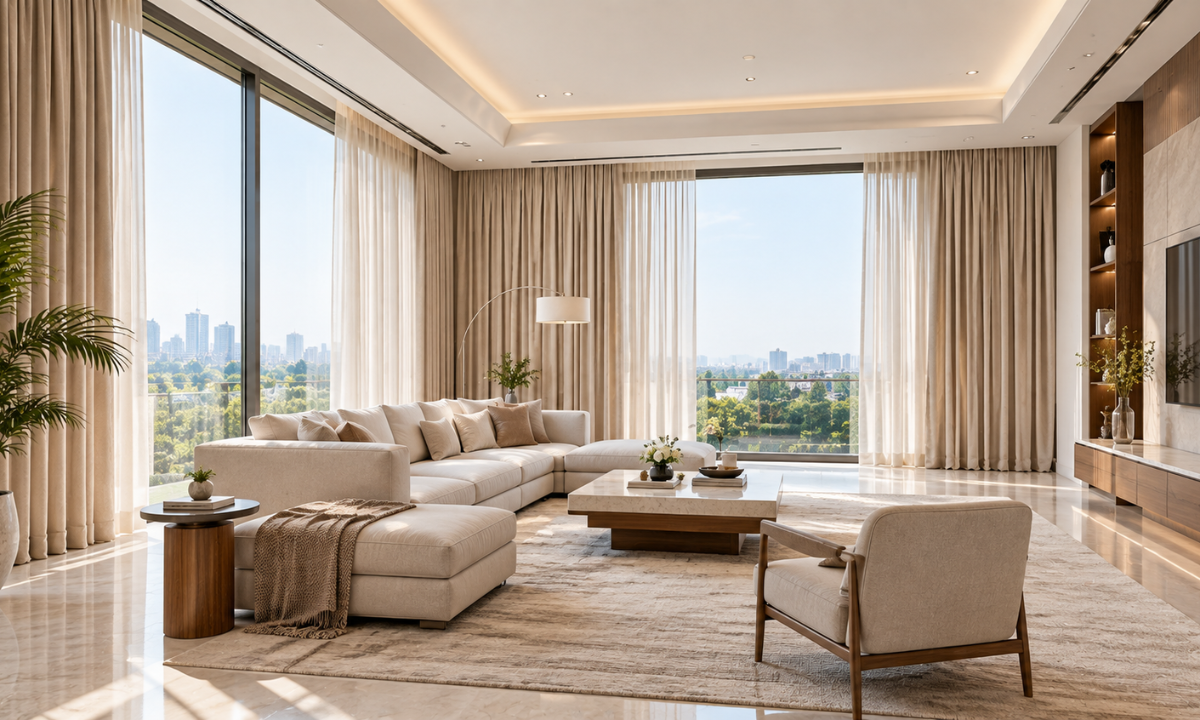
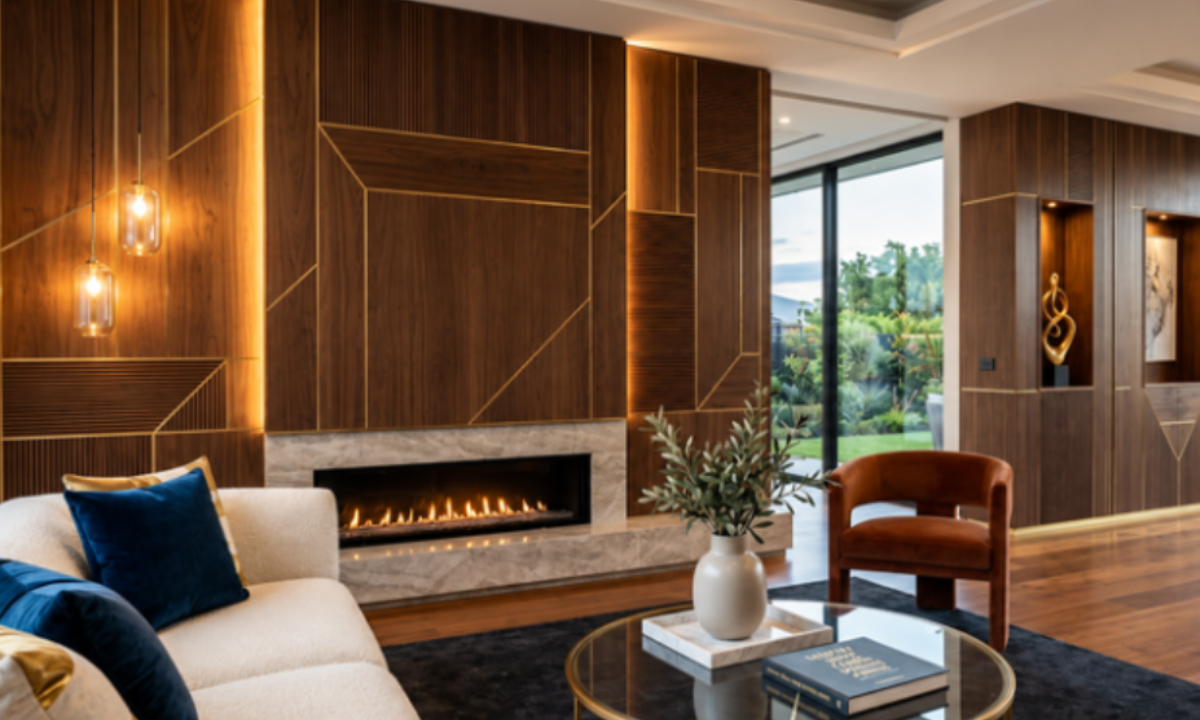
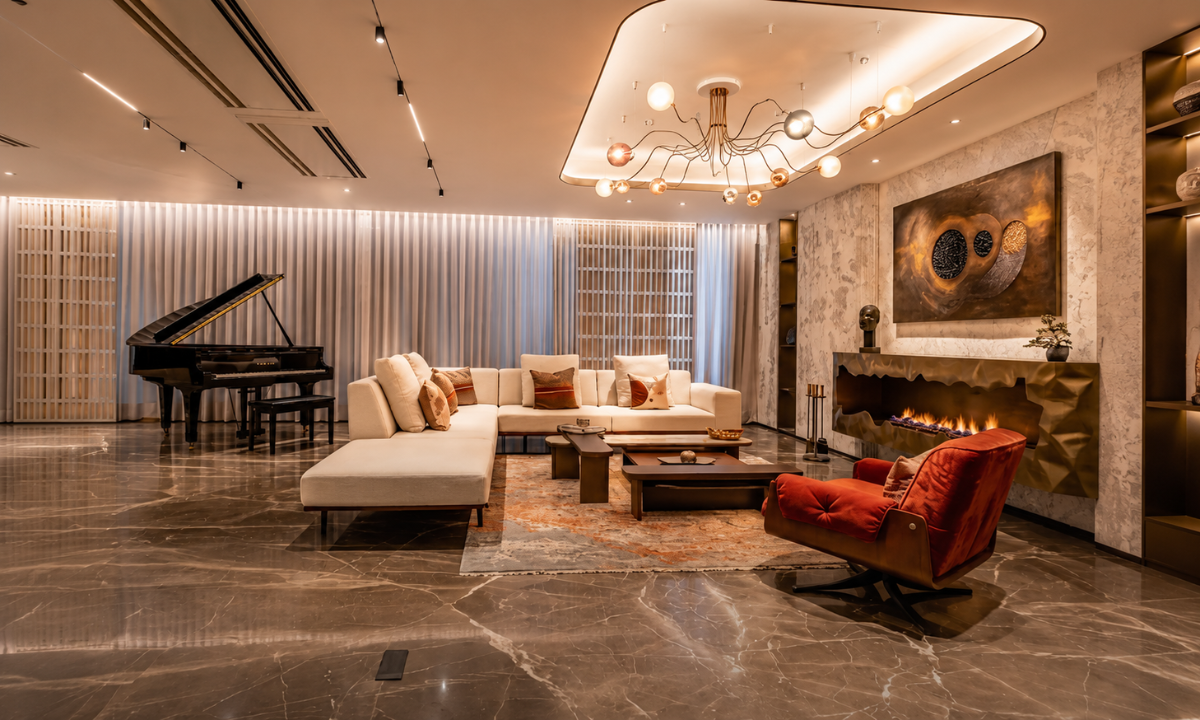
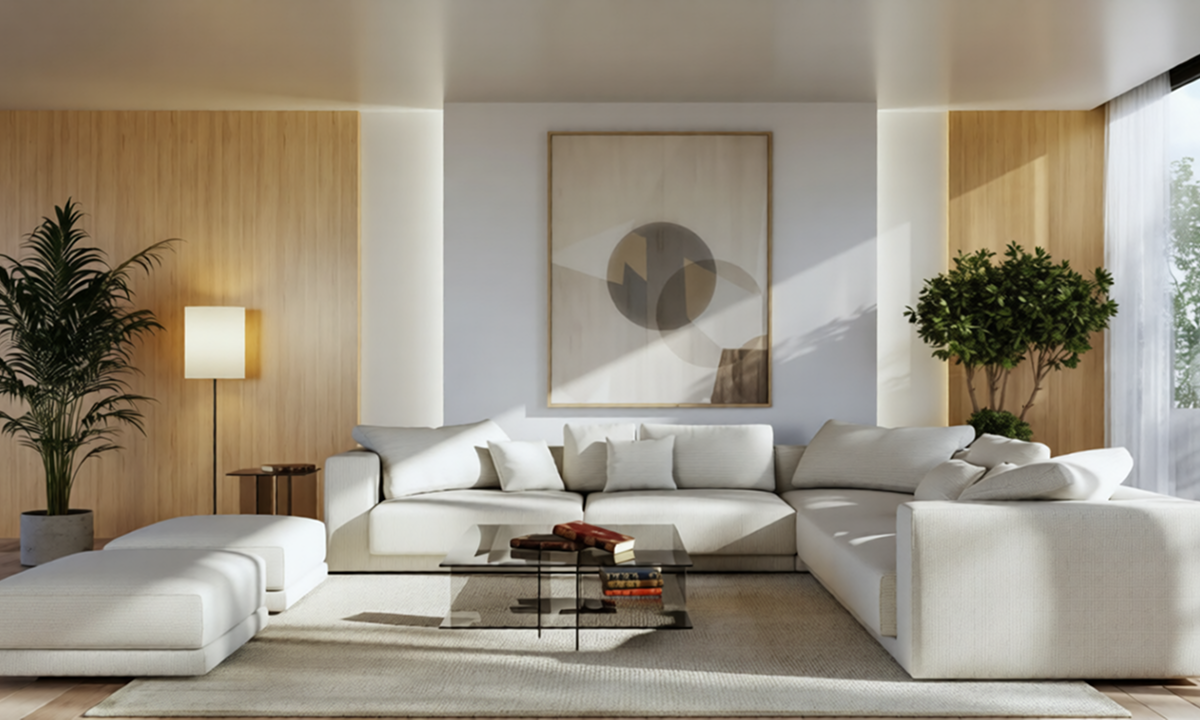
Living Room
A living room designed this way prioritises purpose over decoration.
A sofa chosen for how you actually sit. Lighting designed to create atmosphere rather than simply illuminate. Objects that have meaning rather than filling space.
Nothing feels excessive. Nothing feels unfinished. Everything earns its place.
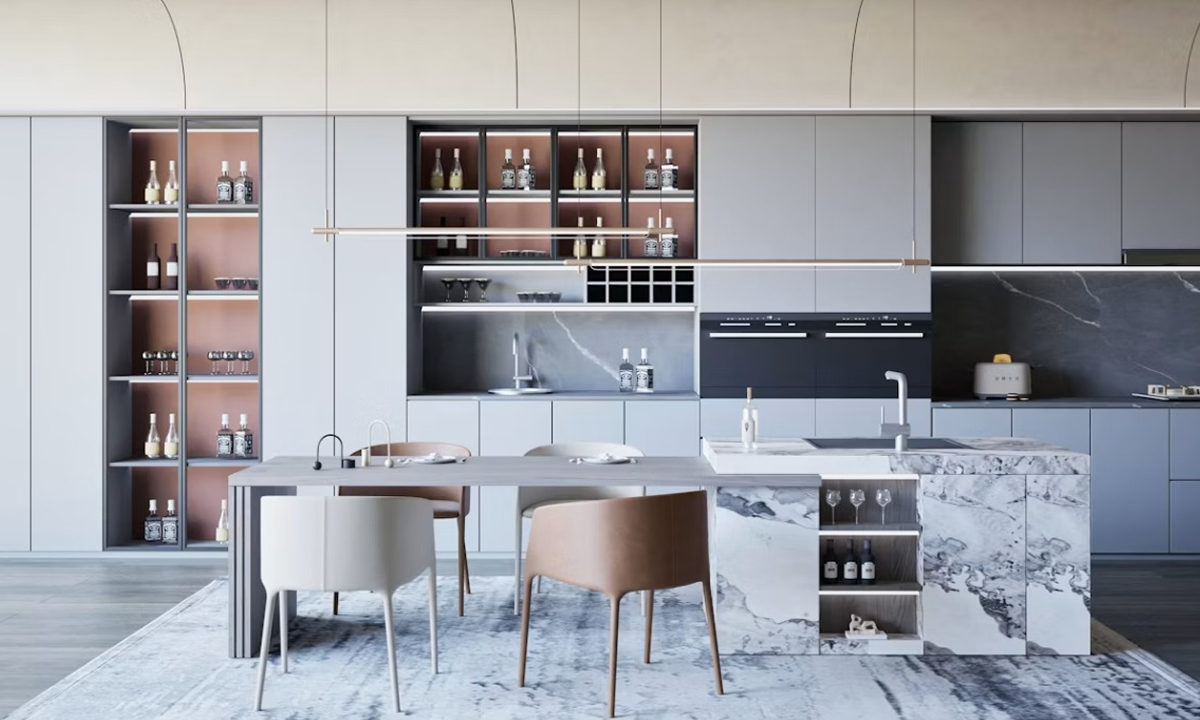
Kitchen
The kitchen becomes an extension of daily life rather than a showroom.
The layout is shaped by workflow. Storage supports how the space is used. Materials are selected for longevity and performance as much as appearance.
The result is a kitchen that works beautifully and happens to look exceptional.
Bedroom
In the bedroom, the focus becomes restoration. A palette that encourages calm. Textures that feel warm rather than clinical.Storage integrated thoughtfully enough that visual clutter disappears without making the room feel sparse.
The goal is not perfection. The goal is ease.
The Growing Importance of Materials and Craft in 2026
One of the clearest signs of this shift can be seen in material choices.
Homeowners increasingly gravitate toward pieces with character and craftsmanship rather than simply recognisable luxury labels.
A handmade object.
A custom piece of furniture.
A finish that develops beautifully over time.
These details create a sense of connection that cannot be replicated through mass-produced luxury.
The difference between a home that looks expensive and one that feels exceptional often comes down to intent.
The same material can produce two completely different outcomes. One feels like a showroom. The other feels like it belongs exactly where it is.
The material is not different. The thought behind it is.
What To Look For When Choosing A Designer
If you’re selecting a designer for a full-home project, this shift offers a useful filter.
Ask how they begin.
If the conversation starts with mood boards, styles and references, that tells you one thing.
If it begins with understanding how you live, your routines, priorities, habits and aspirations, that tells you something else entirely.
The strongest outcomes rarely come from selecting the perfect style. They come from building a clear understanding of the people who will live in the space.
Ask about their process. How decisions are made.How they balance aesthetics and functionality.How they resolve competing priorities.
The answers will often tell you more than a portfolio ever can.
Why This Shift Has The Power To Stay
Most trends fade because they are based on appearance.
Midimalism is worth taking seriously because it isn’t really a trend in the conventional sense. It’s a correction.
It’s the design industry catching up to what homeowners have always actually wanted – a space that performs beautifully, feels personal and holds up over time. Not a space designed to look good in 2026 and feel dated by 2030.
Slow luxury interiors redefine homes through natural materials, considered design and technology woven invisibly into the home, creating timeless, personal spaces. That combination of timelessness and personality is what the most discerning homeowners are now asking for.
And it’s exactly what the right interior designer, working with the right brief, can deliver.
The Standard Has Shifted
If there’s one thing that 2026 makes clear about luxury interior design, it’s this: the bar has moved.
A home that looks impressive is no longer enough. The homes that stand out now, the ones that people remember after they’ve visited, the ones that owners are genuinely proud of years later, are the ones that were designed around the people who live in them.
That takes more than taste. It takes a process. It takes the kind of interior designer who treats the discovery phase as seriously as the design phase, who understands that the best spaces aren’t built from a catalogue, they’re built from a conversation.
That’s the design trend that finally feels like home. And it’s one worth building to.
AEK is the ultra-luxury design concierge by The KariGhars, offering complete turnkey interiors for homeowners across Bangalore and Gurgaon. Every AEK space begins with one question: how do you live? Explore our Signature Spaces or connect with us to begin your journey.